Choosing Your First Bondage Ropes: Materials and Safety Essentials
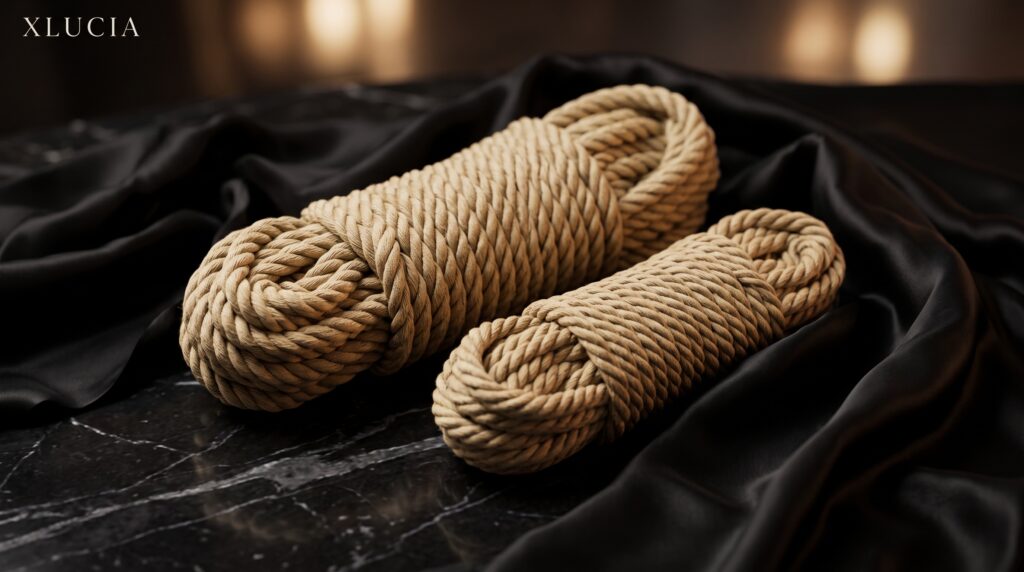
Stepping into the world of rope bondage, often referred to in the Japanese tradition as kinbaku or shibari, is an exciting journey of exploration, trust, and physical connection. However, before you begin tying and wrapping, understanding the fundamental materials is paramount for both safety and pleasure. When shopping for equipment, finding the best bondage rope for beginners and advanced play means prioritizing skin safety, tensile strength, and texture. Natural fibers like jute, hemp, and cotton are universally recommended by experienced riggers because they offer a reliable grip against the skin without causing friction burns. Jute, while traditionally favored in Japanese aesthetics, requires proper conditioning to soften its rough exterior, making it a favorite for intermediate and advanced practitioners who appreciate its matte finish and holding power. On the other hand, soft cotton is exceptionally forgiving on sensitive skin, making it an ideal entry point for absolute novices who are still learning how to manage tension and friction. According to guidelines on safe physical exploration published by Psychology Today, maintaining open communication and prioritizing physical safety are the foundational pillars of any healthy BDSM dynamic. By investing in high-quality, body-safe materials from the start, you minimize the risk of abrasions and ensure that both the rigger and the rope-bottom can focus entirely on the sensory experience rather than discomfort.
Beginner-Friendly Techniques and Avoiding Common Mistakes
For those newly introduced to the art of bondage, the primary goal should always be comfort, simplicity, and safety rather than intricate, gravity-defying suspensions. Starting with simple single-column ties, wrist wraps, and basic hobbles allows beginners to understand how tension behaves and how different knots grip the body. One of the most critical rules for newcomers is to always keep safety shears or medical scissors within arm’s reach during any scene, ensuring that you can quickly and safely exit a tie if numbness, tingling, or distress occurs. Beginners often make the mistake of pulling knots overly tight, forgetting that the body shifts, breathes, and swells during play. As you explore introductory techniques, remember that the top-rated soft bondage accessories can significantly enhance your comfort, providing extra padding and reassurance as you learn the ropes. Additionally, pay close attention to nerve pathways and major blood vessels; never tie directly across joints or the neck where circulation can be compromised. Taking introductory workshops, reading reputable instructional guides, and practicing on consenting partners with a slow, methodical approach will build your confidence and ensure that your early experiences remain thoroughly positive, empowering, and deeply intimate.
Transitioning to Intermediate Shibari: Friction and Aesthetics
Once you have mastered the basics of tension control and simple wraps, transitioning to intermediate bondage opens up a thrilling world of aesthetic creativity and dynamic sensation. Intermediate play often involves transitioning from soft cotton to slightly stiffer, more traditional materials like untreated hemp or conditioned jute, which hold knots with incredible precision and create stunning geometric patterns across the body. At this stage, understanding the physics of friction becomes essential; the rougher texture of natural fiber ropes allows riggers to create secure friction locks that distribute pressure evenly without requiring brute force. Furthermore, intermediate practitioners often begin incorporating elements of suspension, though strictly with expert supervision and specialized anchor points capable of supporting dynamic loads. To elevate your toolkit for these more complex sessions, exploring the durable multi-purpose bondage ropes available in our curated collection can provide the exact rigidity and length required for advanced configurations. Remember that rope conditioning—the process of washing, treating, and breaking in natural fibers with oils or conditioners—is a crucial ritual at the intermediate level, transforming stiff plant fibers into supple, skin-friendly tools that move fluidly with the body’s natural contours.
Advanced Rigging: Precision, Suspensions, and Mastery
Advanced bondage is an intricate blend of sculpture, psychology, engineering, and deep somatic connection. At this elite level, riggers work with complex full-body harnesses, intricate floor bondage, and full suspensions that require a profound understanding of structural weight distribution, load-bearing physics, and human anatomy. Advanced practitioners meticulously select their cords based on diameter, stretch factor, and break strength, often utilizing specialized thin lines for intricate floor patterns and thicker, high-tensile ropes for suspension points. Safety at this level is paramount; every anchor point, carabiner, and length of fiber must be rigorously inspected for wear and tear before every single session. Moreover, advanced bondage demands extraordinary levels of non-verbal communication, situational awareness, and emotional attunement between the rigger and the bottom, as sensory deprivation and intense physical restriction can trigger powerful emotional releases known as ‘sub drop.’ By continually refining your technical skills and treating your equipment with the utmost respect, advanced bondage transforms from a physical activity into a profound meditative art form that celebrates trust, vulnerability, and absolute mastery over the medium.
Proper Care, Maintenance, and Storage of Your Investment
Investing in high-quality bondage ropes means committing to their ongoing maintenance, cleaning, and storage to ensure they remain safe, hygienic, and beautiful for years to come. Natural fibers like hemp, jute, and cotton naturally absorb sweat, body oils, and skin cells during intense play sessions, making post-play cleaning an essential hygiene ritual. Depending on the material, many natural ropes can be hand-washed in lukewarm water with a gentle, pH-balanced, fragrance-free detergent, followed by thorough air drying completely out of direct sunlight to prevent fiber degradation. Never store damp ropes in sealed plastic bags or dark, humid environments, as this can encourage mold and mildew growth, which compromises the structural integrity of the fibers and poses health risks. Instead, coil your lines neatly into loose figure-eights or hanging loops and store them in breathable cotton bags or designated storage bins. Regularly running your fingers along the entire length of your cords allows you to feel for fraying, weak spots, or chemical damage, ensuring that every time you unpack your gear, you are prioritizing safety, longevity, and optimal performance for your intimate wellness journey.